You may only know that "I snore", while your partner reports pauses in breathing or waking up gasping. Put these two accounts side by side. Snoring can be an annoying sound, but sometimes it accompanies a more important disorder called sleep apnea. The difference cannot be recognized from the loudness of the sound alone.[2]
Why is the subject not only the sound at night?
Webda, the health media of the Ministry of Health, in a piece about sleep and metabolic health, raised the importance of paying attention to sleep disorders and pauses in breathing. This general message does not mean that every person who snores definitely has diabetes or a lack of oxygen; to understand the real problem, symptoms and a medical evaluation are needed. The main subject is the review of breathing and sleep quality, not silencing the sound at any cost.[1]
What is the difference between snoring and apnea?
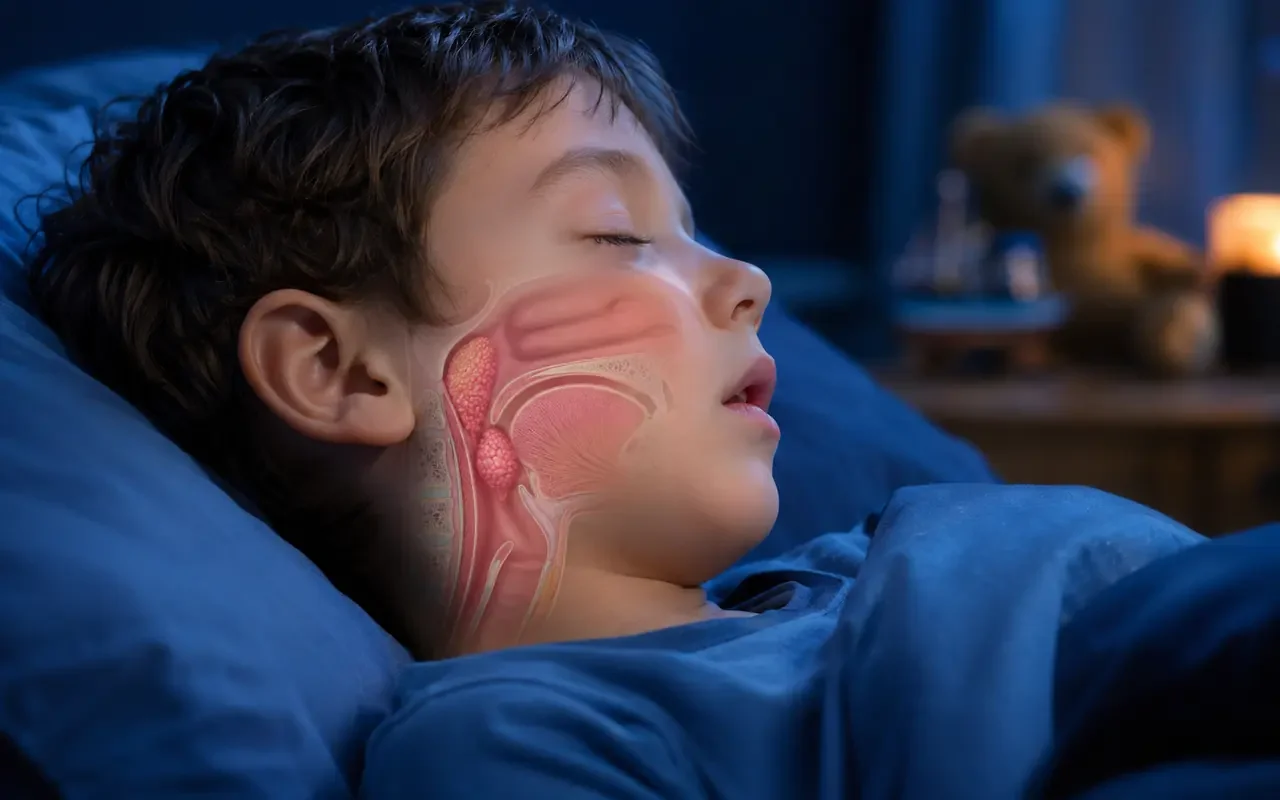
In snoring, the movement of air can create sound through vibration of the tissues of the airway. In obstructive apnea, the airway narrows or closes during sleep and the flow of breathing is repeatedly disrupted. Snoring can accompany this condition, but it is not itself the name of a definite diagnosis. A person who has pauses in breathing may not be aware of them; the observation of a partner, alongside the person's own account, is important.[2]
Which signs should we raise?
- A pause in breathing that another person has seen.
- Waking up with a feeling of choking or gasping.
- Sleepiness or great tiredness during the day.
- Difficulty concentrating, a morning headache or fragmented sleep.
These signs do not give a home diagnosis, but they are a good reason to seek care. If you are drowsy while driving, continuing to drive is not safe; take action to evaluate the cause and control the sleepiness. Do not dismiss the danger merely with coffee or opening the window.[3]
What does a sleep test determine?
The doctor asks about symptoms, history and risk factors and, if necessary, suggests a sleep evaluation. This evaluation helps determine the type of the problem and its severity. The place and method of the test are chosen according to the patient's situation; some evaluations are done at home and some at a sleep center. A recorded sound or a smartwatch can be part of the description of your experience, but it does not replace a diagnostic evaluation.[3, 4]
For the visit, you can prepare a note of your sleeping and waking times, sleep quality and daytime sleepiness. NHLBI considers a sleep diary one of the tools that help explain the condition. If your partner has seen pauses or choking, bring their account with their consent; you do not need to first collect complete visual evidence in order to seek care.[4]
Does everyone need the same treatment?
The choice of treatment depends on the diagnosis, the severity and the features of the airway. Lifestyle changes are useful in some people; a positive airway pressure device, a suitable oral appliance and other treatments may also be raised. A CPAP device helps keep the airway open during sleep; "home oxygen for all snorers" is not a correct description of it. The type of device and its settings must be chosen for the individual.[5]
If a device has been recommended and using it is not comfortable, raise the problem with your clinician. The goal is to find a method that is effective and usable, not to abandon the treatment because of the first unpleasant experience. You should also not apply a list of internet treatments to yourself without regard to the result of a sleep test.[5]
Does nose surgery definitely fix snoring?
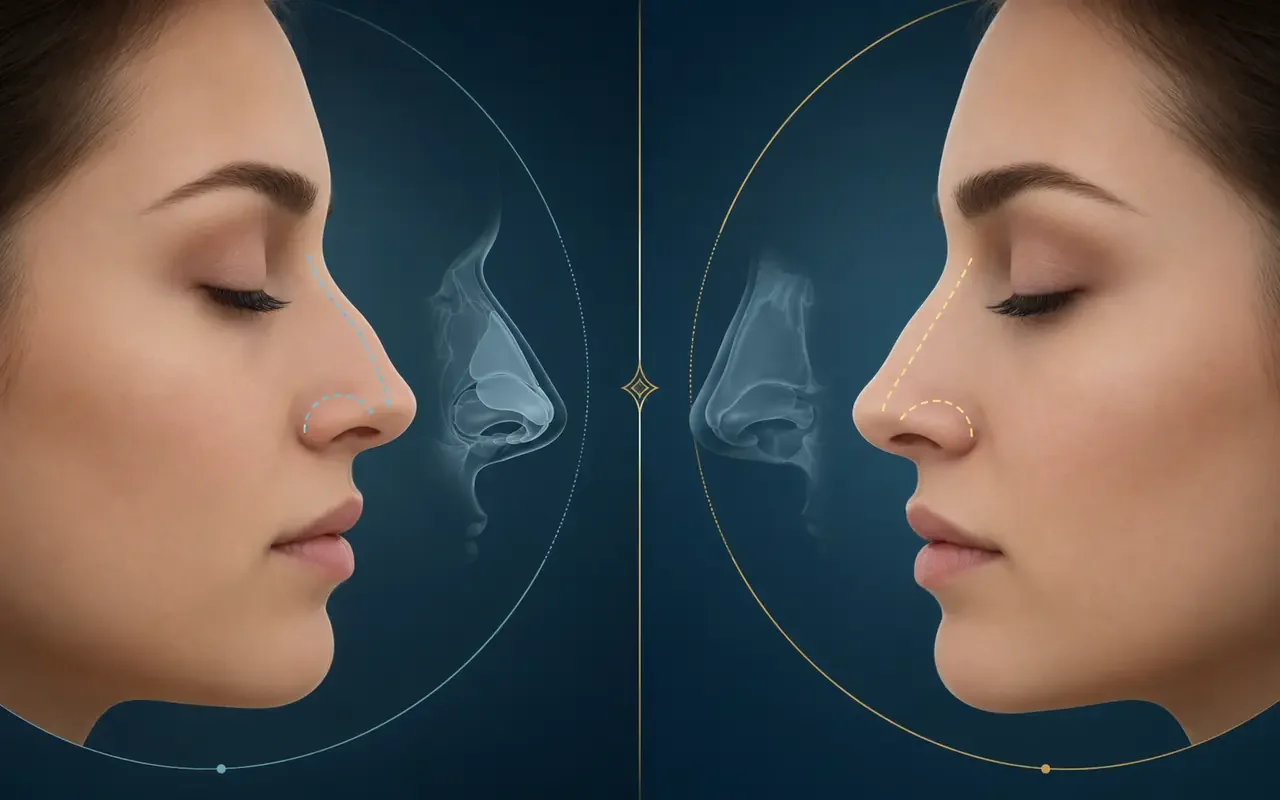
Nasal congestion is one of the subjects examined during the examination; but the site of narrowing of the airway is not always only the nose, and in adults several parts may be involved. Therefore, better airflow through the nose does not necessarily mean a complete cure of apnea. Ask the doctor about the role of nasal treatment in the overall sleep plan.[2]
What questions should we prepare for the visit?
This suggested list helps make the conversation clearer: Do my symptoms need a sleep evaluation? Is the goal of the proposed treatment to reduce the noise or to resolve the breathing disorder? How do we know the treatment has been effective? If a device or oral appliance bothers me, where should I follow up? Do my current medicines or medical conditions affect the choice of method?
I am thin; might I still need to be evaluated?
Appearance or weight alone does not replace evaluating signs such as pauses in breathing. If these signs are present, raise a precise description of them when you seek care.[3, 4]
If your problem is more the nose becoming blocked during sleep, also read the article Nasal congestion at night.